1 / 4
Easy Access
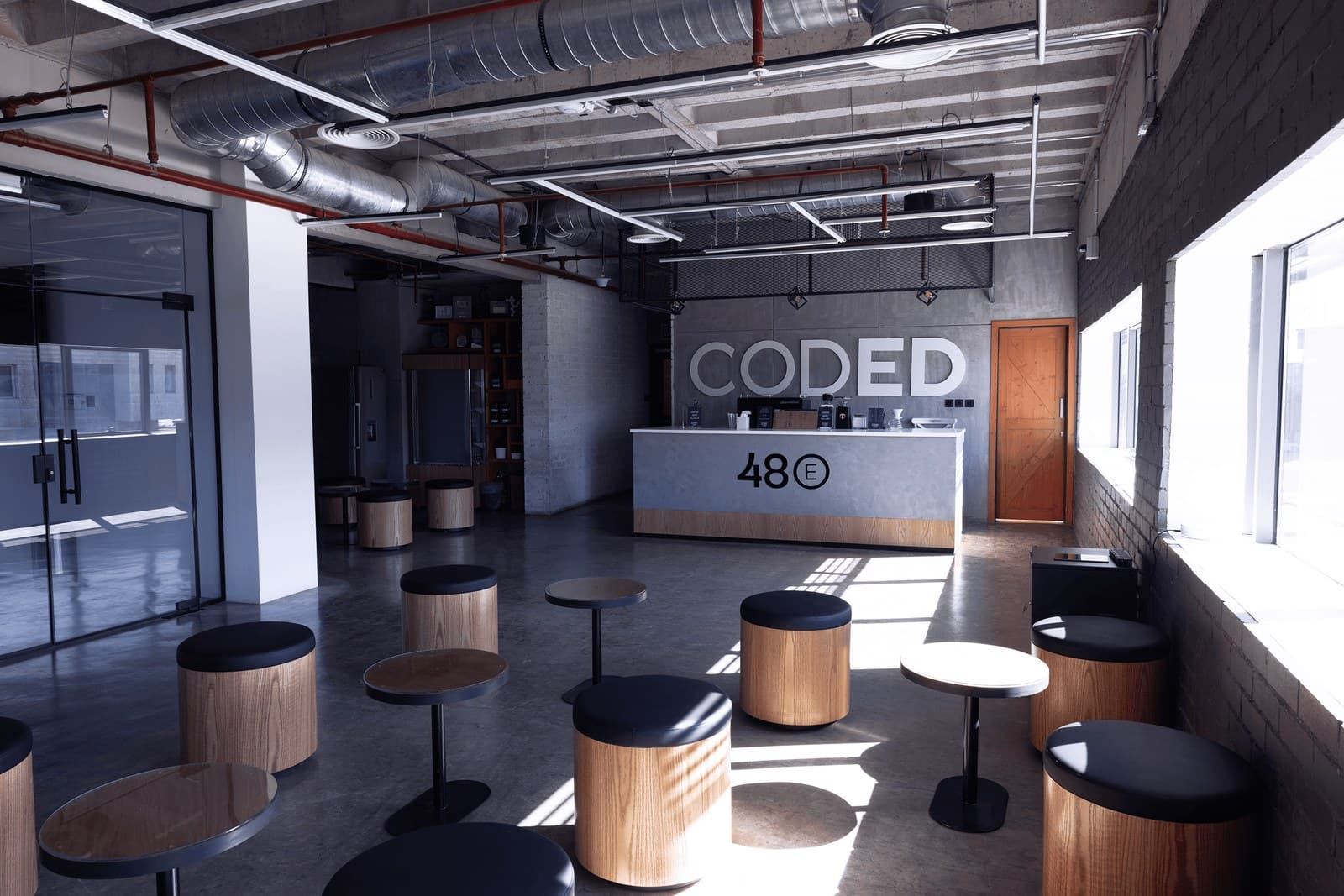
Easily accessible from major areas in Kuwait, with nearby parking and services so getting to class is the easiest part of your day.

 Cybersecurity Bootcamp
Train in real-world cybersecurity, from foundational concepts to ethical hacking and defensive strategies; equipping you to understand, detect, and prevent cyber threats.
An intensive, hands-on cybersecurity bootcamp focused on real attack and defense techniques. You'll train in practical labs, think like an attacker, and learn how to protect real systems—not just pass exams.
Real Skills
Train for real-world cybersecurity roles.
Cybersecurity Mindset
Think like an attacker. Act like a defender.
Hands-On Labs
Practice real scenarios, not just theory.
Offense & Defense
Learn how attacks work—and how to stop them.
Your Journey From Beginner To Cybersecurity Specialist
Over the course of this bootcamp, you will evolve from a beginner into a cybersecurity professional capable of identifying vulnerabilities, defending systems, and protecting digital environments from real-world threats.
Keyskills


Easily accessible from major areas in Kuwait, with nearby parking and services so getting to class is the easiest part of your day.
Large screens, fast Wi-Fi, and power outlets everywhere—set up to code, debug, and present comfortably for hours.
Shared workstations, and collaboration spaces designed for pair programming, group projects, and project reviews.
Coffee, tea, and light snacks available so you can recharge between sessions and stay focused after a long workday.
Easily accessible from major areas in Kuwait, with nearby parking and services so getting to class is the easiest part of your day.
Large screens, fast Wi-Fi, and power outlets everywhere—set up to code, debug, and present comfortably for hours.
Shared workstations, and collaboration spaces designed for pair programming, group projects, and project reviews.
Coffee, tea, and light snacks available so you can recharge between sessions and stay focused after a long workday.
Easily accessible from major areas in Kuwait, with nearby parking and services so getting to class is the easiest part of your day.
Large screens, fast Wi-Fi, and power outlets everywhere—set up to code, debug, and present comfortably for hours.
Shared workstations, and collaboration spaces designed for pair programming, group projects, and project reviews.
Coffee, tea, and light snacks available so you can recharge between sessions and stay focused after a long workday.
For years, learners have joined CODED to build real skills, grow confidence, and move forward — whether that means a stronger portfolio, a clearer direction, or a career shift.
Your education comes first — learn now, pay over months. Zero fees, zero interest.
Two stages — you pay both
Recommended450KDOne payment
487.5KD/ monthfor 4 months
Total 2,400 KD
Zero fees · Zero interestNothing is due until you're accepted.
Quick answers to the questions people ask before they apply.
Yes. You start with systems, networking, and security basics before moving into offensive and defensive security.
Yes—responsibly. You’ll learn how security professionals test systems to find weaknesses and report them properly.
Yes. You’ll learn how to detect threats, analyze logs, investigate incidents, and apply defensive practices used in real security teams.
Graduates are positioned for entry-level roles including SOC Analyst, Junior Penetration Tester, Security Operations Analyst, DFIR Analyst, and Threat Hunting Assistant — with real professional deliverables to prove it.
Hands-on practice across red/blue scenarios, CTF experience, and practical work you can speak about clearly in interviews.